
We’re back again with another installment of our reader photos roundup from the Photography Bay Flickr Group. [Read more…]
Digital Camera News, Reviews and Tips
We’re back again with another installment of our reader photos roundup from the Photography Bay Flickr Group. [Read more…]


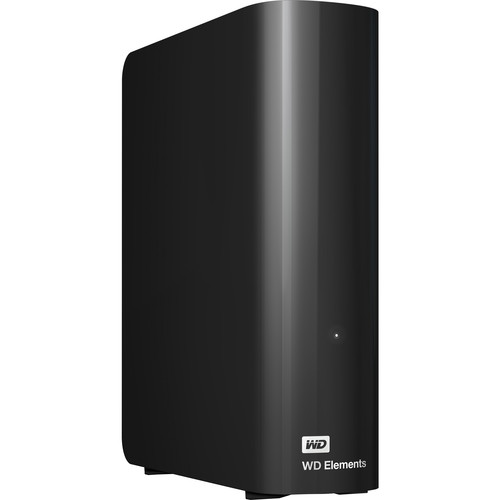
B&H has the new WD 22TB Elements desktop USB 3.0 external hard drive now in stock. This is a single 3.5-inch SATA hard drive. It comes formatted NTSF for Windows; however, it’s easy to reformat the drive for Mac as well.
The WD 22TB drive is priced at $549.99 and is shipping now. Check it out here at B&H Photo.

We’re back again with another installment of our reader photos roundup from the Photography Bay Flickr Group. [Read more…]
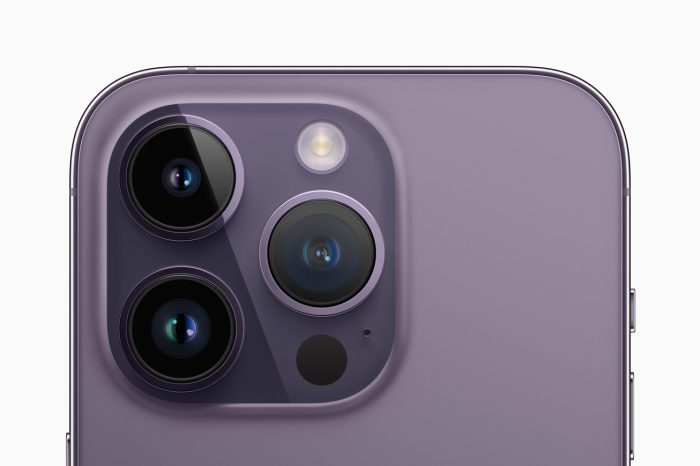
As we watch algorithms and AI do their thing, we’re all wondering where they will take photography. Back in the early days of DSLRs (and still today, if we’re being honest), many professional photographers lamented the rise of the technology that took the high bar of access to the profession down in cost for both the purchase and the practice. Gone were the days of film and the time and skill to develop that film. With the DSLR, anyone with a memory card could now have instant feedback on whether the exposure at hand was good or bad.
Of course, this lower bar brought its own set of problems and challenges that we’re still sorting out. I’ve heard photographers hand-wringing over the glory days of film and how soccer moms with a Canon Rebel ruined the wedding industry. The difference between good enough and great is a tough standard to sell a photography customer and maybe that’s what the grumpy photographer is talking about there.
But we’re past all of that now – for the better, I think. While I love my old film cameras, I’m not grabbing a film camera on most days when the convenience of digital allows me to increase the volume of images with virtually no additional cost.
Smartphones changed the photography game again in the post-iPhone era. We still have this lower bar of quality to answer at the industry level for digital photography. Quick editing apps on a phone took some timesuck away from editing and made casual photos look better with little effort.
And now computational photography and AI are driving photography to a different place again. But is that okay for the art of photography? Is this another film-to-digital transition? Is it like the death of the compact camera in the 2008-2012 era? Or is it a whole new thing? [Read more…]

We’re back again with another installment of our reader photos roundup from the Photography Bay Flickr Group. [Read more…]
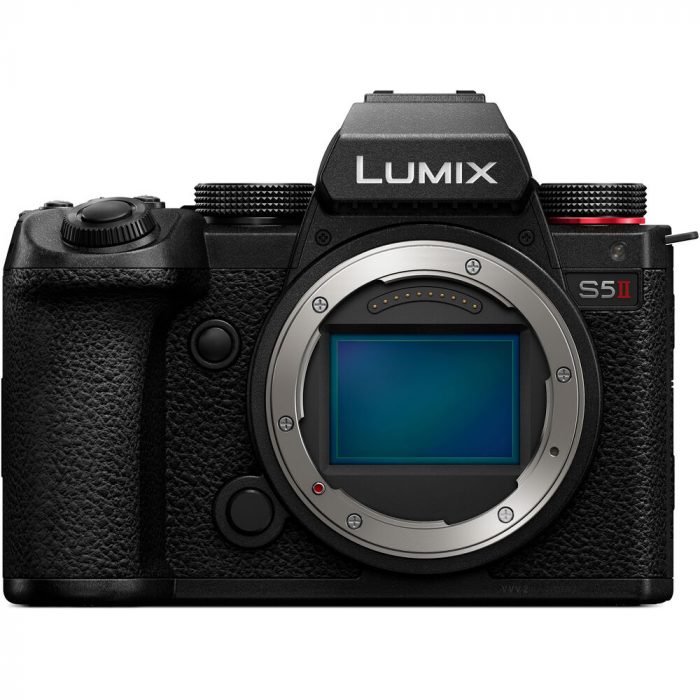
The Panasonic Lumix S5 II and S5 IIX are 24MP full-frame cameras with impressive video specs and improved autofocus. [Read more…]

We’re back again with another installment of our reader photos roundup from the Photography Bay Flickr Group. [Read more…]
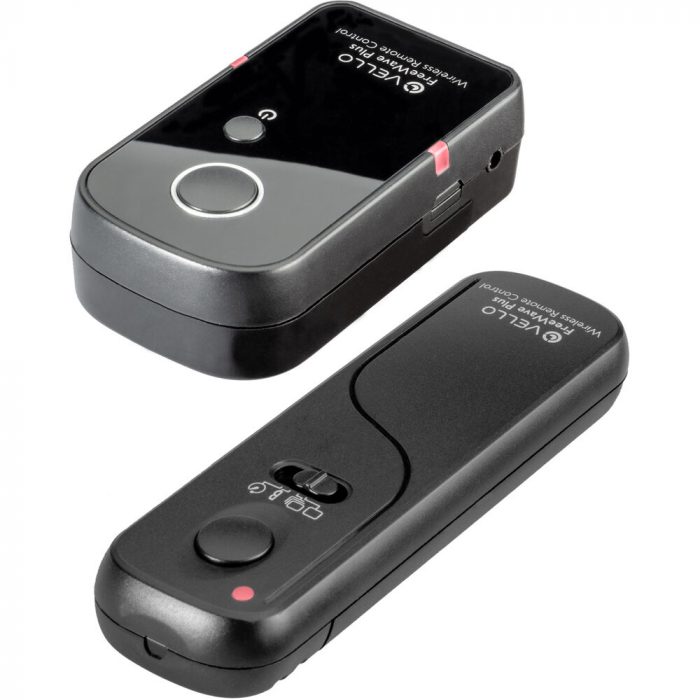
The Vello FreeWave Plus II is a wireless shutter release that can trigger the shutter from up to 320′ (~97m) away. The FreeWave Plus works with most cameras that have a remote port, including Canon mirrorless and DSLRs, Nikon, Sony, Olympus, Fuji, and Panasonic, among others. I’m using the Canon version, which ships with both a Canon 3-pin cable, as well as a 2.5mm sub-mini cable. [Read more…]

We’re back again with another installment of our reader photos roundup from the Photography Bay Flickr Group. [Read more…]
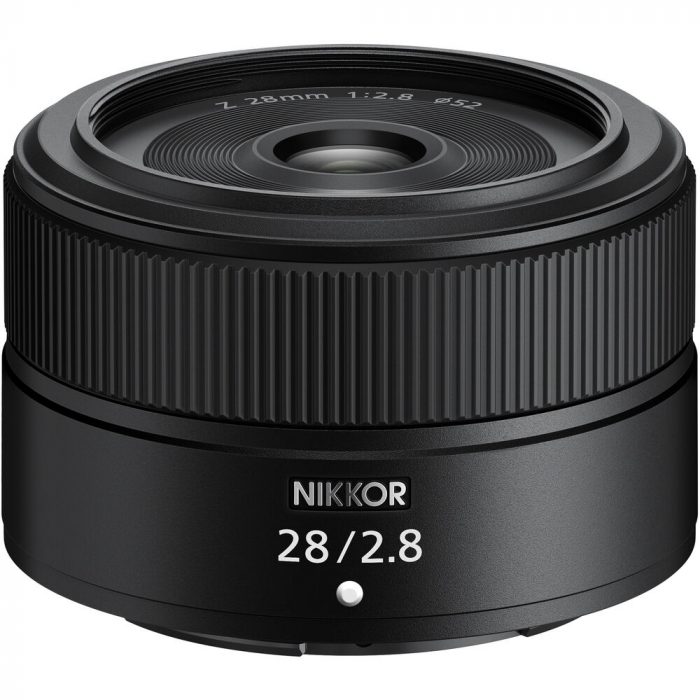
Nikon has officially announced the NIKKOR Z 28mm f/2.8, a compact and lightweight prime lens for Z-mount, FX format mirrorless cameras. It’s the smallest and lightest offering Z mount prime lens to date – only 1.7 inches long and weighing under 5.5 ounces.
The new lens is available for pre-order for $300 and should ship in December. Check it out here at B&H Photo.